EXCAVATION
Trenching & Digging to Grade
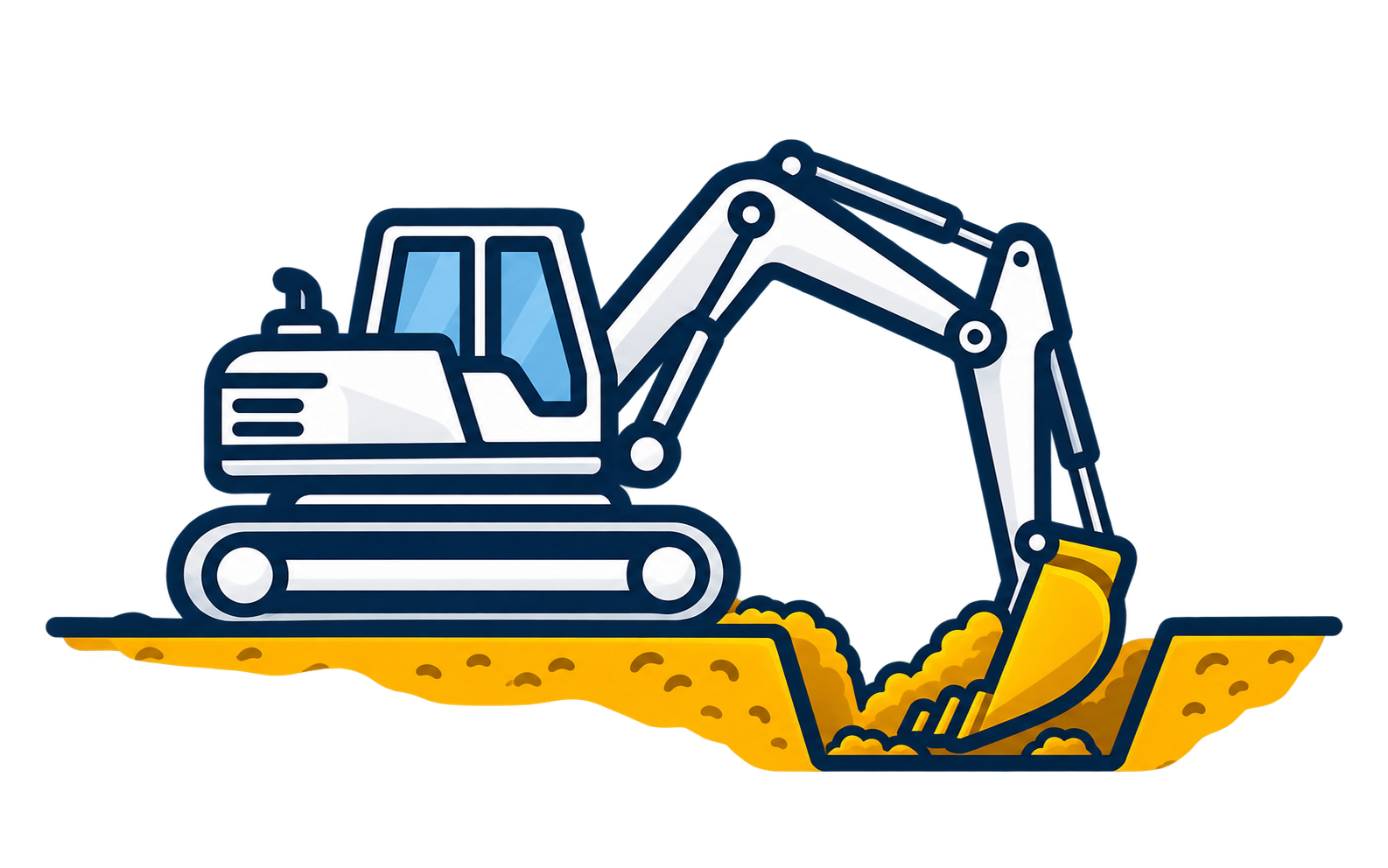
Learn to dig controlled trenches while maintaining depth, alignment and grade, with proper spoil placement and safe working distances.

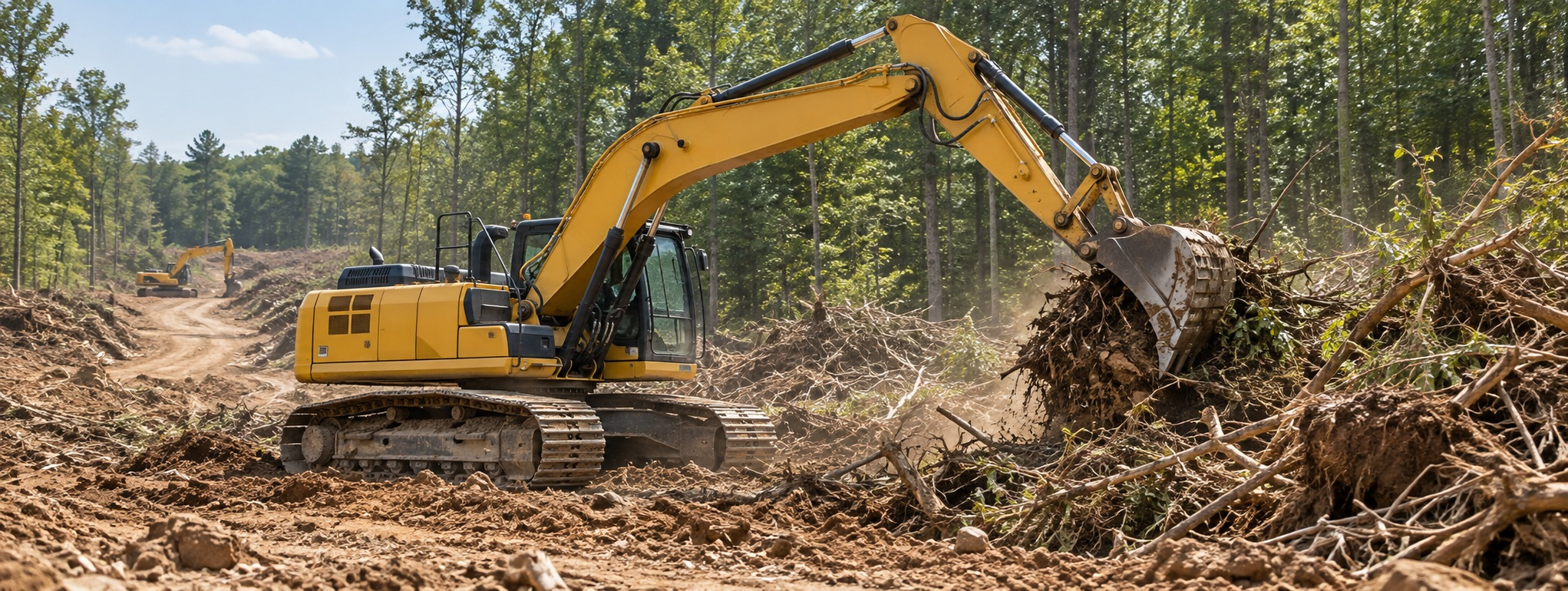
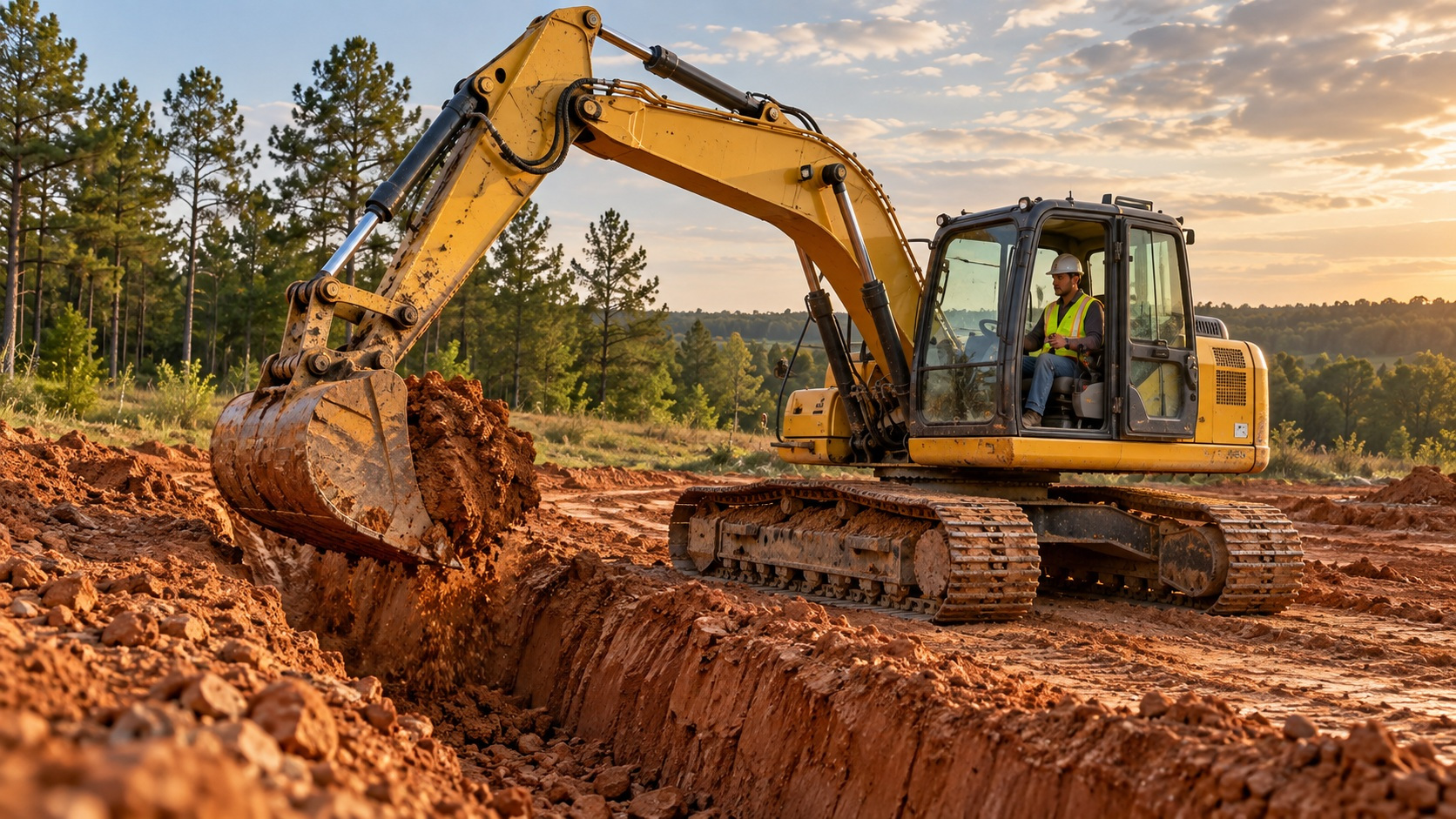
Train on mini and full-size excavators while building practical skills in trenching, excavation, material handling, backfilling and safe machine operation. Students train on real equipment—not simulators.
EXCAVATION • TRENCHING • SITE WORK
Build practical excavator operating skills through hands-on training in trenching, excavation, digging to grade, backfilling, material handling and site preparation. Students train on real mini and full-size excavators while learning machine control, safe operation and the jobsite knowledge behind accurate, efficient work.

Build practical operating skills through trenching, digging to depth and grade, backfilling, material handling and precision bucket control across mini and full-size excavators.
BUILT FOR THE JOBSITE
Excavator training goes beyond learning the controls. Students develop the precision, judgment and jobsite awareness needed for trenching, digging to grade, material handling, backfilling and safe excavation work.
Learn to dig controlled trenches while maintaining depth, alignment and grade, with proper spoil placement and safe working distances.
Develop smooth boom, stick and bucket control for digging, cleaning trench bottoms, shaping slopes and completing accurate excavation work.
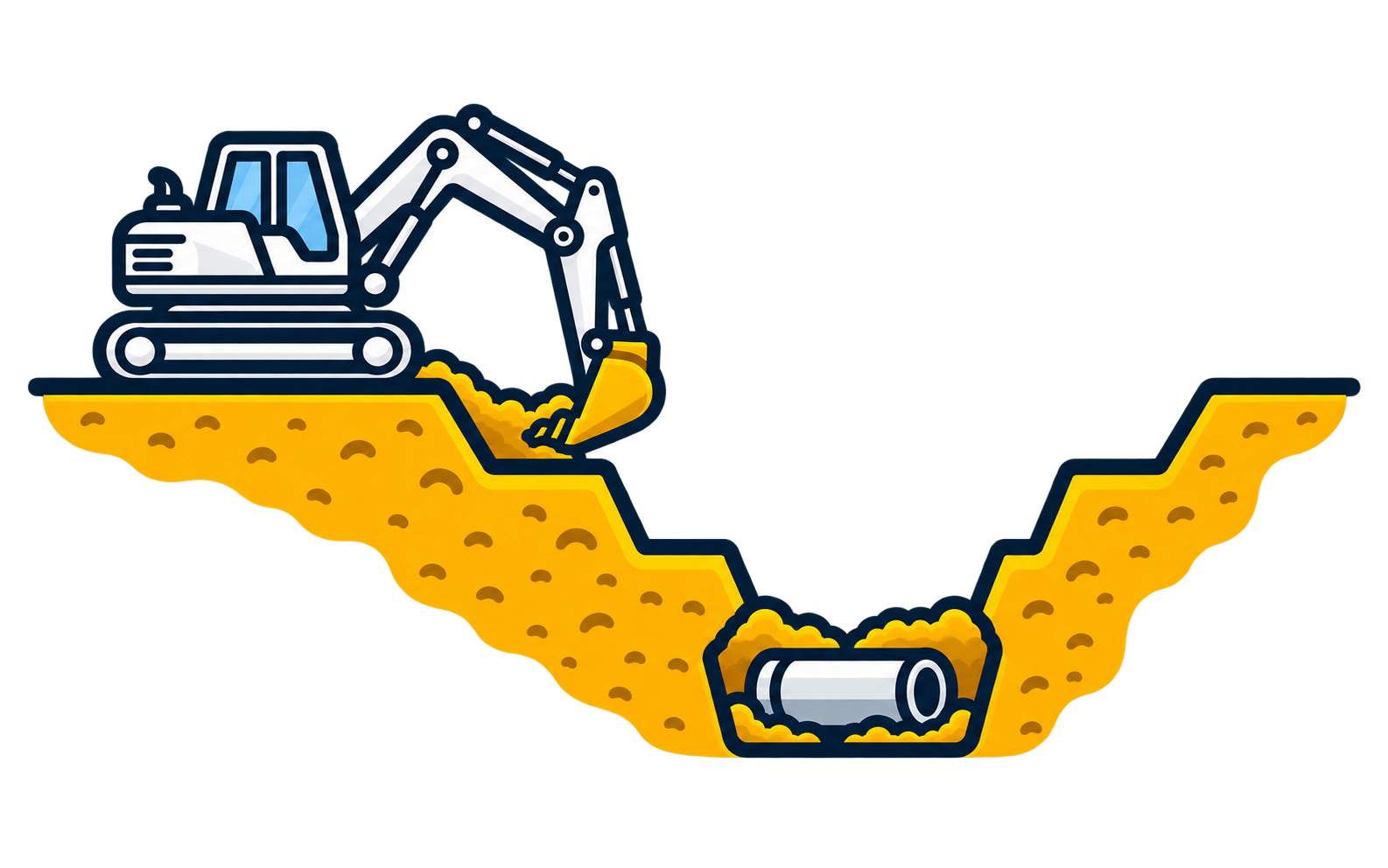
Learn excavation methods used around trenches and underground work, including sloping, benching, bell holes and recognition of changing ground conditions.
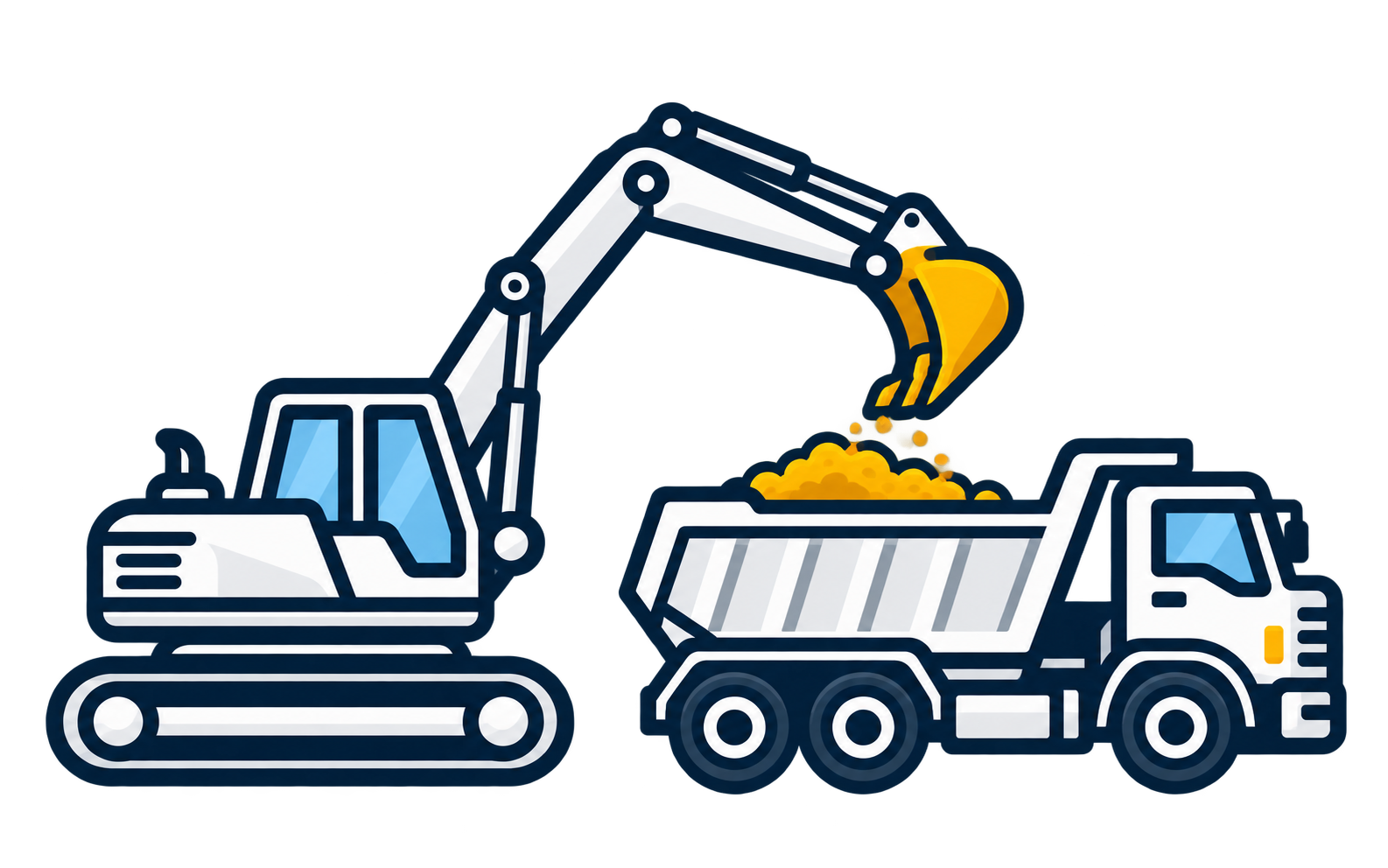
Practice positioning the excavator, loading trucks, moving material and working efficiently while maintaining machine stability and jobsite awareness.

Develop pre-operation inspection, machine-awareness and safe operating habits for working around people, equipment, slopes, edges and underground utilities.

Learn controlled backfilling, material placement and finish work around trenches, utilities and excavated areas while protecting completed work.
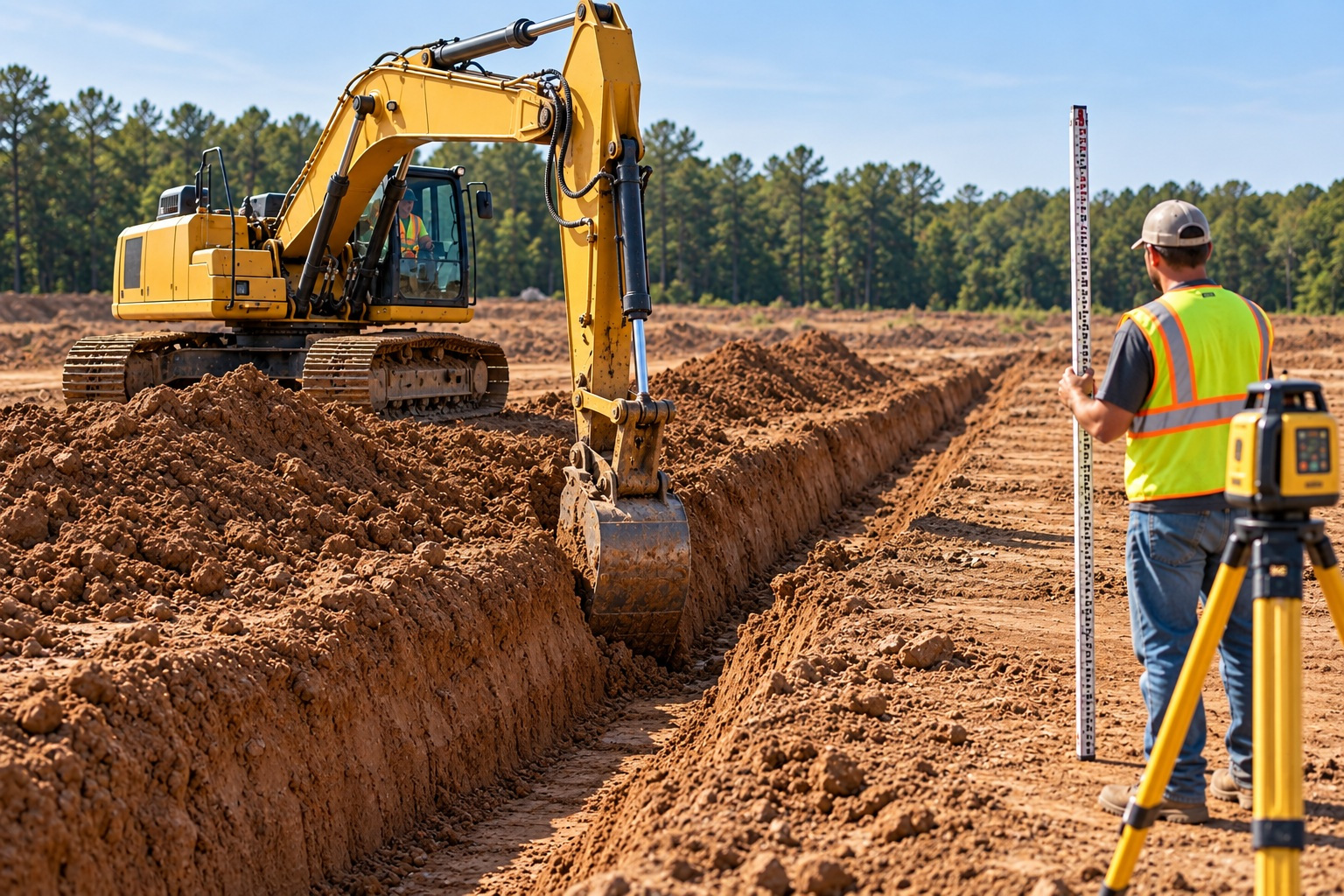
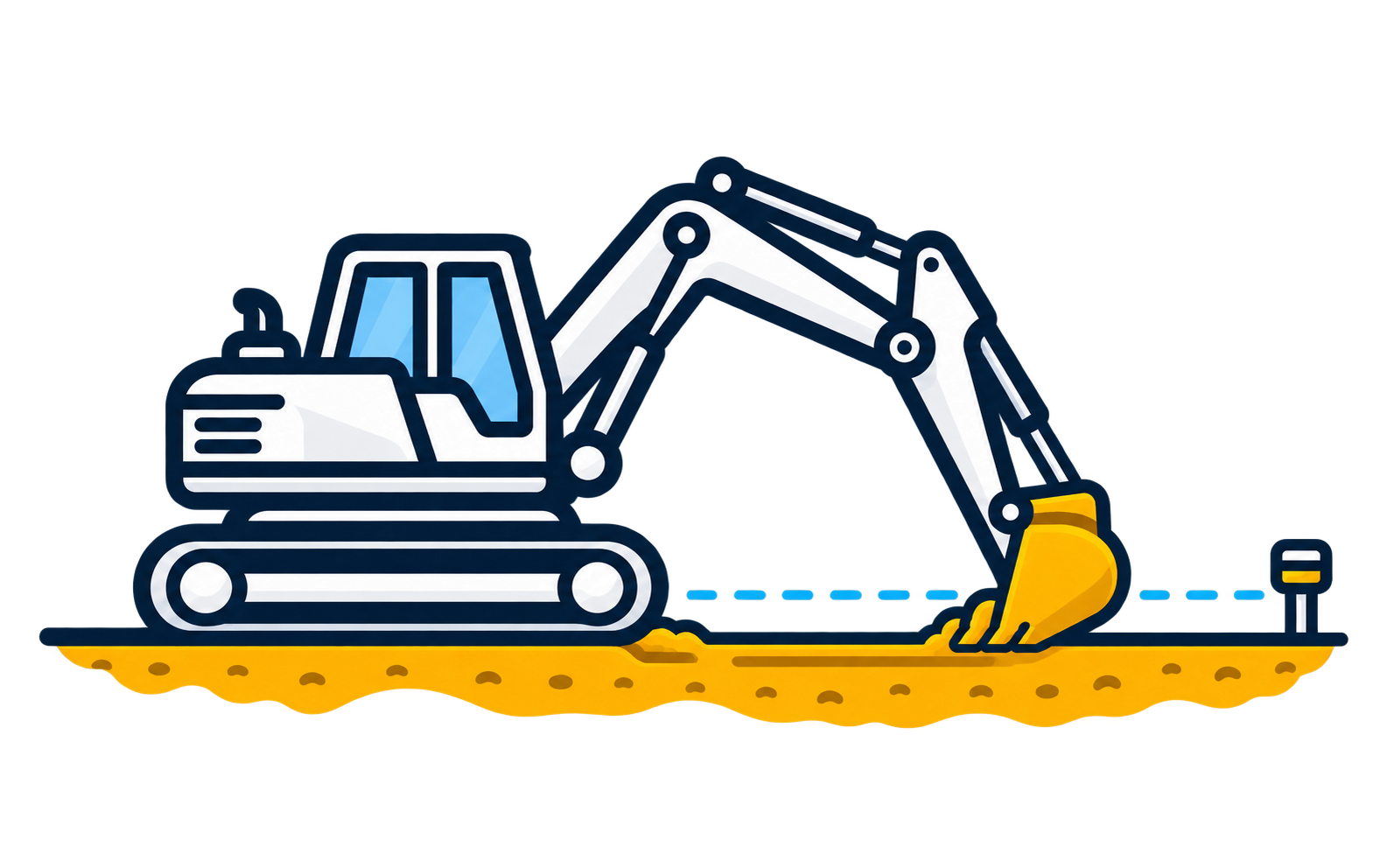
Excavator training goes beyond digging dirt. Students learn to excavate trenches to depth and grade, establish drainage slopes, and use a laser and grade rod to check elevation and accuracy as the work progresses.
COMPACT TO FULL-SIZE EXCAVATORS
Excavators may share the same basic controls, but they don't all feel or perform the same. Students train on compact, mid-size and full-size machines to experience differences in responsiveness, reach, stability, digging capacity and jobsite application.

Students build precision and control on compact excavators while practicing trenching, digging to grade, backfilling and utility-style excavation in tighter working areas.

The X85 adds reach, digging capacity and machine weight while remaining highly maneuverable, giving students experience with trenching, grading and general excavation work.

Students experience the feel and response of a larger excavator while developing skills in deeper excavation, heavier digging, backfilling and material handling.

Full-size excavator training introduces greater reach, digging capacity and machine weight for deeper excavation, truck loading, material movement and production-focused work.
PRECISION EXCAVATION
Excavation isn't about digging until it looks deep enough. Operators need to understand the required elevation, establish grade and know when to stop. Overdigging wastes time, creates unnecessary work and can increase material and project costs.
Students begin with a basic laser and grade rod, learning to establish a reference elevation, calculate required depths and slopes, and check their excavation as the work progresses. Once they understand the fundamentals, they move into slope-capable laser equipment that makes maintaining a specified grade faster and more precise.
For students ready to go further, training can progress into more advanced site elevation and layout concepts—transferring elevations from an established benchmark, setting cut-and-fill stakes and working toward specified elevation points across the project.
Certification Earned in the Dirt
Students do not earn excavator certification by memorizing answers for a written test. They must repeatedly demonstrate safe, accurate and efficient operation on real equipment. Evaluation begins on day one and continues as each student’s skills improve.

Pre-operation inspection, start-up, seatbelt use, safe backing, travel speed, surroundings, hand signals and proper shutdown.
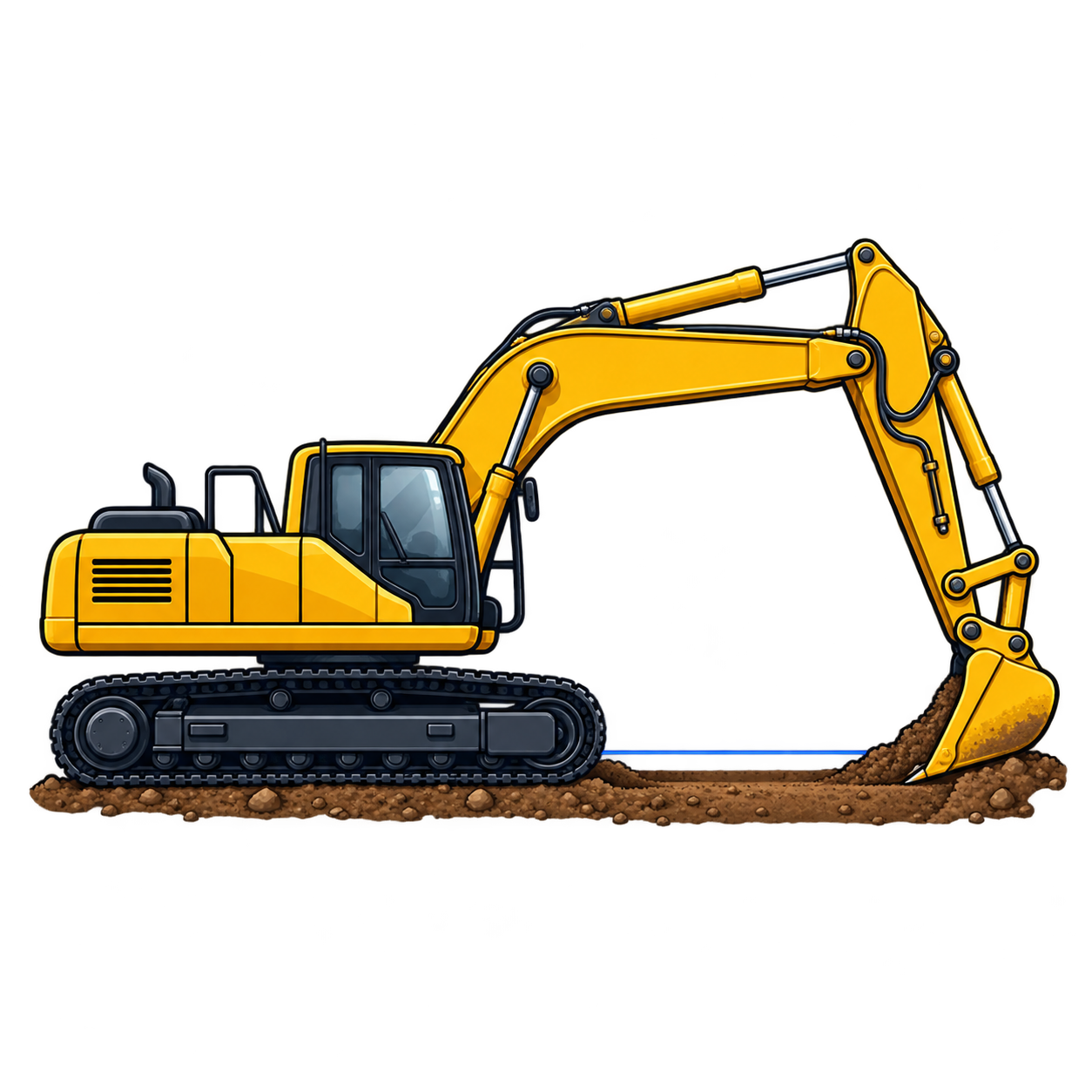
Smooth bucket control, digging to grade, maintaining depth and slope, clean trench bottoms, precise material placement and accurate finish work.

Trenching, moving spoil, truck loading, land clearing, backfilling, material handling, planning work and improving efficiency.
The goal is to help students work toward approximately 80% of an experienced professional operator’s production level while maintaining safety and acceptable work quality. Students receive repeated opportunities to improve speed, accuracy and decision-making.

Think Like an Operator
Professional operators are responsible for more than the controls. Students inspect assigned machines before operation and learn to identify conditions that could affect safety, production or equipment reliability.
Students are not being trained as diesel mechanics. They are taught practical inspection, troubleshooting and basic maintenance skills a responsible operator should understand.

Construction Permits &
Project Requirements

Grade Stakes &
Survey Markers

OSHA & MSHA
Safety Requirements

Environmental & EPA
Considerations
Built for Long-Term Career Growth
HEO Academy prepares operators to understand the larger construction project—not only the excavator assigned to them.
Technical classroom subjects give attentive students a foundation they can use later while pursuing opportunities such as lead operator, foreman, superintendent or business owner.

Blueprints, Site Plans &
Civil Drawings

Utility Locate Requests
& Markings

MUTCD Work-Zone
Procedures

Jobsite Planning &
Crew Communication
Opportunity Meets Effort
HEO Academy provides the equipment, instruction and opportunity. What students do with it depends on the effort, attendance and initiative they bring to the work.
Additional Practice Time
When equipment and the academy schedule permit, students may arrive early, stay late or practice during approved off-hours. For safety, at least two students must be present—no student may operate alone.

Employer-Focused Preparation
Attendance, work ethic, safety habits, initiative and performance contribute to the reputation a student builds. We encourage students to give us strong reasons to recommend them to contractors.

Graduate Skill Refreshers
Graduates may contact the academy when they need to refresh a skill, ask technical questions or reconnect with available employment resources as they continue building their careers.
Graduation isn't the finish line. The skills developed at HEO Academy are a foundation students can continue building on as they gain experience, take on new responsibilities and grow in the heavy equipment industry.
excavator Training FAQ
From training hours and certification to trenching, digging to grade, equipment and what to expect in the seat, here are answers to the questions students ask most about our Excavator Operator Training Program.
No. The Excavator Operator Training Program is designed for students with little or no previous operating experience, as well as current operators who want to improve their skills.
Students begin with equipment inspections, controls, machine positioning and safe operating practices before progressing into trenching, digging to grade, backfilling, material handling and other excavation assignments.
The excavator program is three weeks long and includes approximately 120 hours of training.
More than 80 hours are devoted to hands-on equipment training, with approximately 40 hours covering safety, blueprints, grade information, site planning and other technical subjects.
Students develop skills in trenching, digging to grade, bucket control, sloping and benching, backfilling, material handling, truck loading and general excavation work.
Training also focuses on machine positioning, working around utilities and obstacles, maintaining proper depth and slope, creating clean trench bottoms and developing the control needed to work accurately and efficiently.
Students are certified according to the level of operating skill they successfully demonstrate.
Yes. Students train across multiple excavator sizes so they can experience how machine weight, reach, responsiveness and digging capacity change from one machine to another.
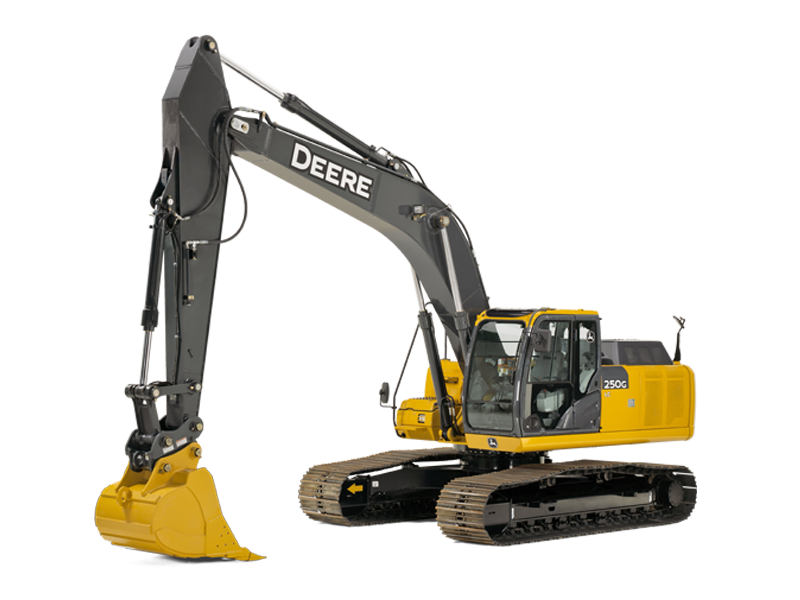
The training fleet includes compact machines such as the John Deere 35G and 50G, the mid-size Hitachi X85, the Kobelco 110 and the full-size John Deere 200G. This gives students experience ranging from precision work in tighter areas to deeper excavation, truck loading and production-focused work.
Yes. Excavator students learn that accurate excavation requires more than simply digging material out of the ground. Training includes understanding grade and elevation, using grade information to establish proper excavation depth and developing the bucket control needed to maintain a consistent trench bottom.
Students also learn how machine position, bucket angle and operating technique affect depth, slope and finished excavation quality.
HEO Academy certification is performance based. Students do not earn certification simply by attending the scheduled class or passing a written test.
Practical evaluation begins on the first day and continues as each student demonstrates safer, more accurate and more efficient operation on real equipment.
Training includes equipment inspections, safe operating procedures, OSHA-10, MSHA, construction blueprints, civil drawings, grade stakes, survey markers, utility locate requests, MUTCD work-zone procedures and jobsite communication.
Students are also introduced to the inspection and basic field-maintenance responsibilities expected of professional equipment operators.
Yes. HEO Academy trains students from Arkansas and throughout the United States.
Affordable furnished student housing is available near the academy, subject to availability. Students should speak with admissions early if housing will be needed.
No school can guarantee employment. HEO Academy provides resume assistance, job leads, employer connections and continued career support, but hiring decisions are made by individual employers.
Attendance, safety habits, work ethic, initiative and demonstrated operating ability all affect the recommendation a student earns.
Simulators can introduce basic controls, but they cannot fully reproduce the feel and response of an excavator working in real material.
Excavator operators must learn how the machine responds as the bucket enters the ground, how different materials affect digging, how boom, stick and bucket movements work together, how machine position affects stability and reach, and how to maintain awareness of people, utilities and equipment around the work area.
Those skills develop through real seat time. HEO Academy trains students on actual excavators so they can build experience with the machine, the material and the working conditions they will encounter in the field.
We're here to help. Give us a call or send us a message.
Ready to Start Training?
Train on real equipment. Talk with admissions about your next class, tuition, funding, and student housing.